
7 Warning Signs Your Seawall Needs Attention
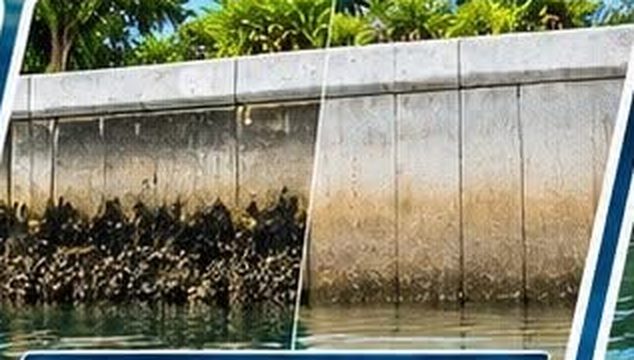
A seawall replacement is one of the most expensive repairs a waterfront homeowner can face. The good news is that most walls give warning signs long before they fail. The bad news is that marine growth often hides those signs. Here is what to watch for.
1. Cracks in the wall face or cap
Hairline cracks can grow as water and salt work into them. Larger or widening cracks need a professional look.
2. Soil loss or sinkholes behind the wall
Depressions in the lawn, sunken pavers or holes behind the cap often mean soil is washing out through a gap in the wall.
3. A leaning or bowed wall
If the cap no longer looks straight or the wall leans toward the water, it may be losing support.
4. Gaps at joints and panels
Open joints between panels let soil escape and water flow through.
5. Rust stains and spalling
Rust colored streaks or chunks of concrete breaking off can mean the steel inside is corroding.
6. Water seeping through the face
Water flowing out of the wall at low tide is a sign it is passing through instead of being held back.
7. Heavy growth you cannot see past
If the waterline band is so covered with oysters and barnacles that you cannot see the concrete, you simply do not know what condition it is in.
How cleaning helps
When we clean a seawall, we strip the growth off the face and cap so the real surface is visible. We document what we see with photos and video so you can decide whether to monitor it, repair it or bring in a seawall contractor. Many owners in Pinellas and Manatee use those photos to plan repairs before storm season.
Next step
Send us a quick video of your seawall at low tide. We will tell you what cleaning will involve and flag anything that looks like it needs a closer look.
Frequently Asked Questions
How do I know if my seawall is failing?
Watch for cracks, soil loss behind the wall, leaning, open joints, rust stains and water seeping through the face.
Does cleaning a seawall help find damage?
Yes. Removing barnacles and oysters exposes the concrete so cracks and spalling can be seen and documented.